
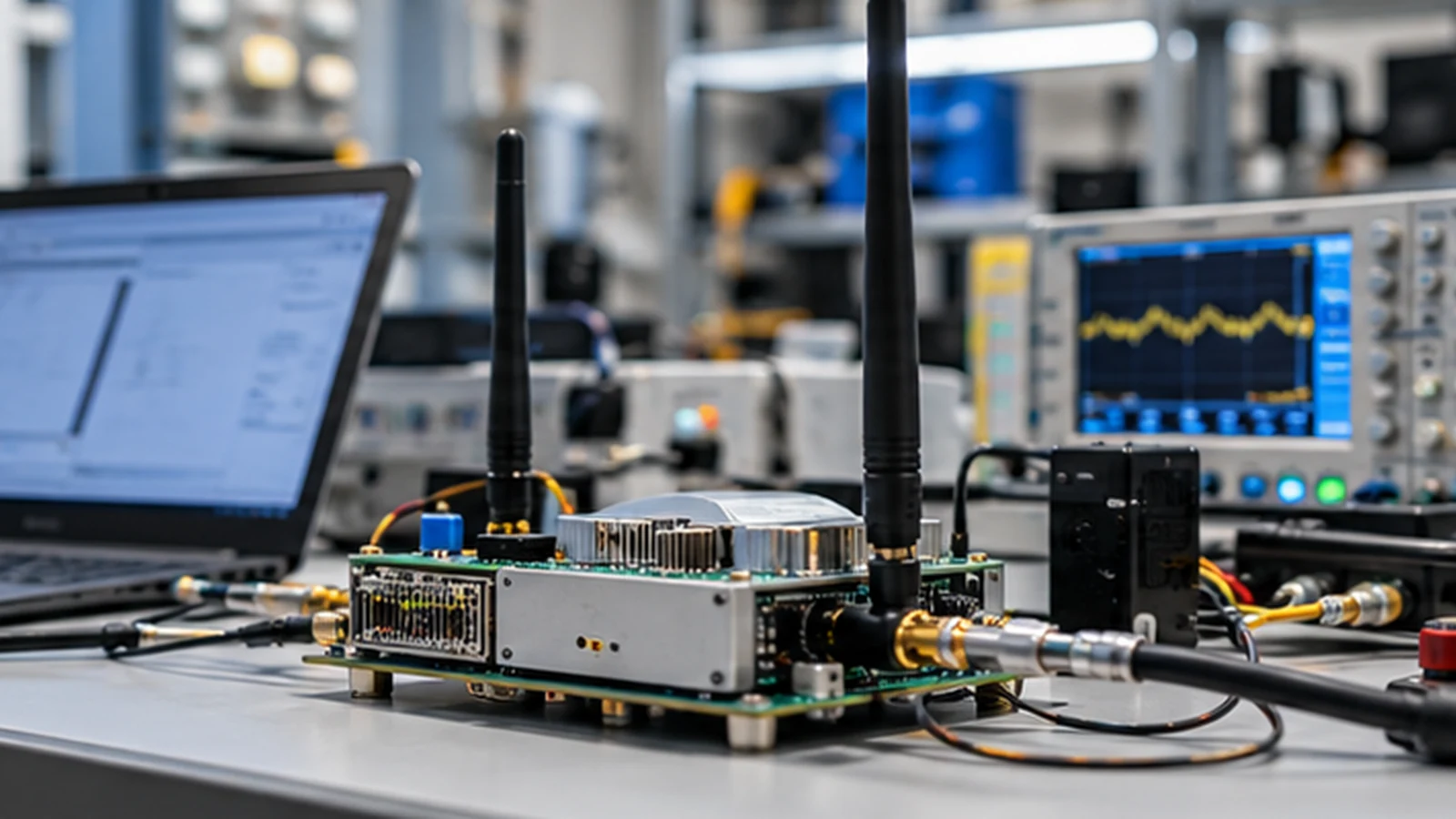
Iran has approved digital transformation documents for its Ministry of Petroleum and Ministry of Foreign Affairs at a joint meeting of the Special Digital Economy Working Group and the Cyberspace Steering Headquarters. Shana, the Iranian oil ministry's news service, reported the decision on 28 October 2026 (6 Aban 1405) at 18:59, citing the government's information service. For the gas industry, the announcement is relevant to future data governance, interoperability and performance measurement. However, the report does not publish the Petroleum Ministry's detailed plan or a list of approved implementation projects.
What was actually approved?
According to Ehsan Chitsaz, a deputy minister of Information and Communications Technology, the two ministries' digital transformation documents and a revision to the methodology for determining domestic-content depth were approved. The joint meeting was chaired by First Vice President Mohammad Reza Aref and attended by the ICT minister. Implementation is now to be pursued within the approved policy frameworks. This is an announcement about policy documents, not a report that operational systems have been deployed.
What the announcement does not establish
The official account provides no smart gas meter procurement quantity, equipment budget, supply contract, technical system specification, selected communications standard, named contractor or nationwide deployment date. It would therefore be inaccurate to say that smart meter purchasing has started, a particular network technology has been mandated or a gas-network project has entered service. Each of those claims would require separate procurement or implementation evidence.
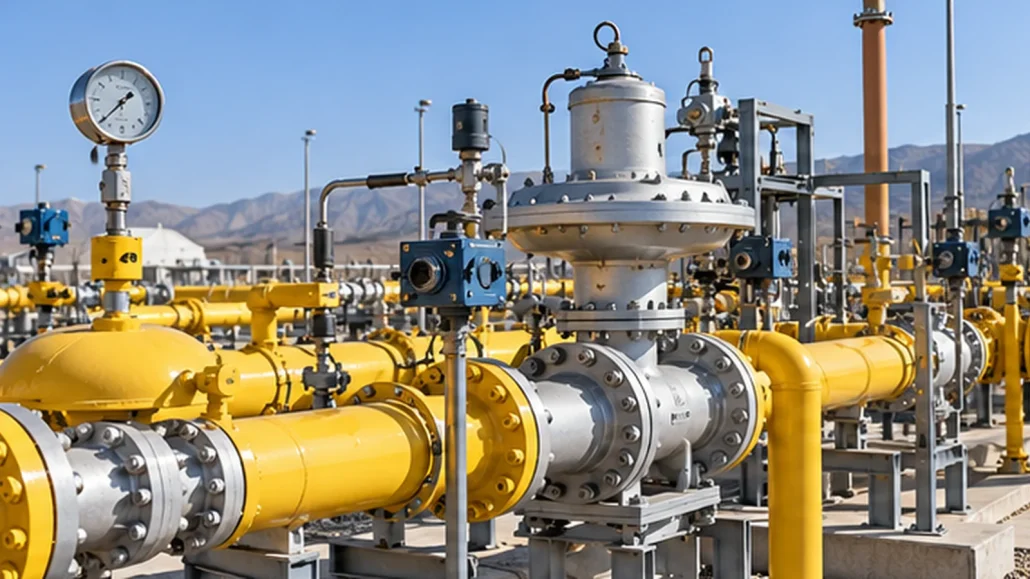
Legal basis: Article 107(corresponding subparagraph Kh) of the Seventh Development Plan
Shana places the decision within subparagraph Kh of Article 107 of Iran's Seventh Development Plan. That provision addresses sector-level digital transformation programmes, flagship projects, financing arrangements and the implementation capabilities of the non-governmental sector. Approval establishes a policy framework; measurable outputs, periodic reporting and evidence of project delivery are needed to assess actual progress.
Policy approval is not an industrial purchase order
Equipment suppliers should distinguish three stages: policy approval and priority setting; publication of technical requirements, financing and procurement procedures; and finally contracting, installation, acceptance testing and operation. Progression from the first stage is not automatic. Gas meter and regulator manufacturers can prepare technical documentation now without treating the announcement as a confirmed sales opportunity.
What could digital transformation mean across the gas value chain?
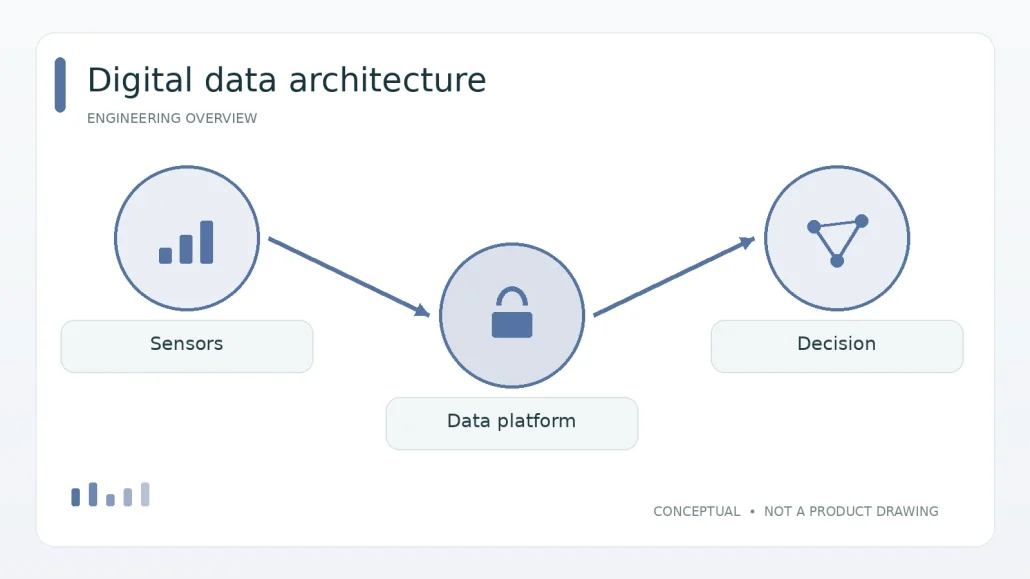
In engineering terms, digital transformation is more than buying software or displaying charts. Gas-sector data can originate from metering equipment, pressure and temperature sensors, regulating stations, remote reading platforms and operational control systems. Value depends on consistent definitions, trustworthy timestamps, assessed data quality and a clear operational use case. These are EGC's technical observations, not projects identified as approved in the government announcement.

The roles of smart and upgraded gas meters
A residential gas meter, whether mechanical or smart, provides a record of gas consumption. An upgraded gas meter may add electronic sensing or communications to an existing metering architecture, but its actual functions depend on the specific model and its approvals. Automated meter reading (AMR) can potentially reduce manual visits and deliver readings sooner. It does not automatically guarantee better metrological accuracy or lower gas consumption.
Four requirements for trustworthy readings
A usable consumption record should identify the metering point uniquely, record its timestamp and time zone, specify volume units and reference conditions, and include a data-quality or error status. Systems must also distinguish actual, estimated, duplicated and corrected readings. Without these attributes, even sophisticated dashboards can produce misleading consumption comparisons.
Interoperability and cybersecurity must be designed together
A nationwide programme will likely encounter multiple equipment generations and suppliers. Documented interfaces, exchangeable data formats, software-version records and interoperability testing help reduce single-vendor dependence. Device authentication, appropriate encryption, key management, controlled updates and security-event logs also matter. If a particular device supports remote control functions, these require separate safety assessment and relevant authorisation; connectivity alone does not justify remote actuation.
Does smart-meter data itself save natural gas?
No. Better data may reveal abnormal demand, equipment faults or opportunities to change operating practices, but verified savings require a specific intervention and a sound measurement method. If boiler-room improvements are followed by lower consumption, analysts must consider outdoor temperature, operating hours, occupancy and changes in building use. Comparing two bills without adjusting for relevant variables does not demonstrate a causal saving. This distinction is especially important for incentive-based energy-efficiency platforms.
Potential preparation steps for Iranian manufacturers
Manufacturers of gas meters, regulators and instrumentation can prepare transparent technical dossiers for possible future digitalisation projects: metrological performance and flow range, behaviour during communication outages or battery depletion, environmental tests, software security, serial-number traceability and interface compatibility. Such evidence makes technical discussions more productive but does not constitute qualification for a procurement process that has not been announced.
A practical roadmap for assessing gas-network digital projects
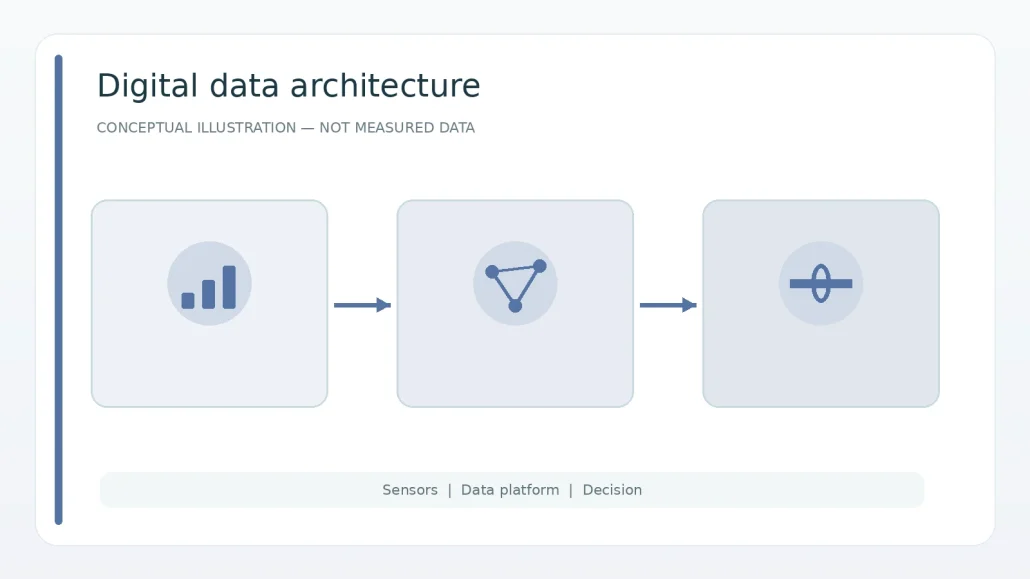
The first step is to define a measurable problem, such as reading errors, long data-delivery delays or slow fault detection. A baseline should then be established, with indicators covering successful-reading rate, transmission latency, data completeness, error frequency, cost per metering point and repair time. A limited pilot across different climates and radio-coverage conditions can expose shortcomings before wider deployment and allow independent evaluation.
Acceptance criteria instead of general promises
In an actual pilot or contract, each metric needs a test method, sampling period, accountable reviewer and acceptance threshold. “Timely data” is not verifiable unless the time window and success rate are defined. Metering accuracy must be assessed against applicable metrological requirements and test methods; an internet connection is not a certificate of measurement accuracy.
Conclusion: a policy milestone, not a smart-meter rollout announcement
Approval of the Petroleum Ministry's digital transformation document on 28 October 2026 is a documented policy development for Iran's energy sector. The official report does not establish the detailed project portfolio, financing, tenders or meter quantities. For Ekbatan Gas Control and other manufacturers, a reasonable near-term response is to strengthen testing, documentation, security and data quality. Specific commercial opportunities should be evaluated only when formal requirements are published.
Sources
1. Shana, “Digital transformation documents of the Petroleum and Foreign Affairs ministries approved,” 28 October 2026, report 3144706: https://www.shana.ir/news/3144706/
2. Iran's Seventh Development Plan, Article 107, subparagraph Kh, cited as the legal basis. The detailed approved Petroleum Ministry document was not available in the published news account.