

A report released on 31 October 2026 (9 Aban 1405) says Petropars has begun drilling a thirteenth well at the B location of South Pars Phase 11. The operator also described twelve wells as being in production and reported a capacity of approximately one billion cubic feet of gas per day for that location. The new development is an additional drilling campaign intended to support sustained output—not an announcement that the thirteenth well is already producing.
Essential distinction: The approximately 2.5 million cubic metres per day mentioned in the report refers to the twelfth well being prepared for production. It is not verified output from the thirteenth well. Likewise, stated production capacity should not be presented as measured daily gas deliveries.
What is the current status of the thirteenth well?
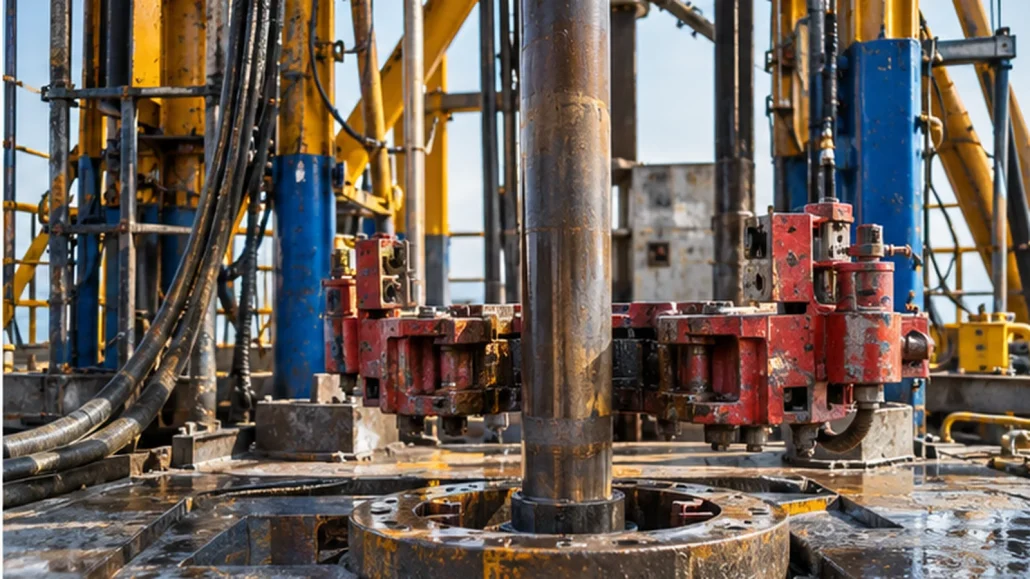
Petropars chief executive Hamidreza Saghafi said drilling of the additional well at Platform B was launched beyond the original contractual scope to help maintain production. The first 32-inch and 24-inch hole sections had reached 186 metres and 933 metres, respectively. At the reporting date, drilling of the 16-inch section had passed 1,010 metres.
These are drilling milestones, not a completion date or a production test. Drilling, well completion, flow testing and connection to operating facilities are distinct stages. Each requires its own technical and safety verification before sustained production can be claimed.
The twelfth well: why the 2.5 million m³/day figure matters
Project manager Ali Nadiran reported that wellhead hook-up and connection of the twelfth well to its flowline had been completed. Following flowback and clean-up operations, the well was described as ready to produce around 2.5 million cubic metres of rich gas per day. That figure belongs to well 12, not well 13, and the wording does not independently establish a measured increment in gas delivered to the national grid.
The source also describes the twelfth well as more than 4,400 metres deep, with reservoir perforation and stimulation work completed. Those details illustrate the complexity of offshore well completion; sustained deliverability still depends on operating tests, reservoir behaviour and downstream processing availability.
What does one billion cubic feet per day actually mean?
The operator stated that the twelve wells at location B had brought the site’s reported gas-production capacity to approximately one billion cubic feet per day. Using the geometric conversion of 0.0283168 cubic metres per cubic foot gives about 28.3 million cubic metres per day. Precise gas-flow comparisons also require consistent reference pressure, temperature and standard-volume conventions.
This figure must not be conflated with the entire South Pars field, sales-quality gas, or actual daily deliveries. Rich gas from offshore wells must pass through gathering, transport and processing systems, and each part of that chain uses different operating indicators.
Why drill another well when twelve are already online?
Gas-field output can change as reservoir pressure evolves, individual well performance varies and surface facilities impose constraints. If safely completed and connected, an additional well can provide operational flexibility and help offset decline. The size and durability of any contribution, however, must be demonstrated by well tests and production data.
Because South Pars is a shared reservoir, long-term reservoir stewardship is as important as short-term output. Starting a new well is a verifiable engineering milestone; it does not establish that Iran’s wider gas supply-demand imbalance has been eliminated.
The second platform and the wider infrastructure chain
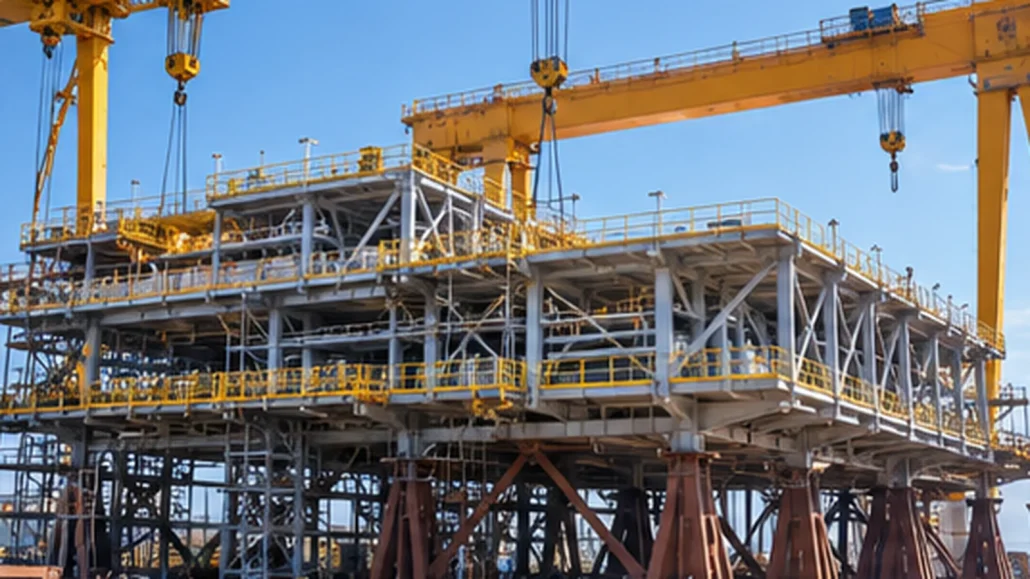
The same report places fabrication progress on another Phase 11 platform at more than 50% at the ISOICO yard. Procurement of long-lead items was identified as a priority. Fabrication progress is not the same as mechanical completion, commissioning or production readiness.
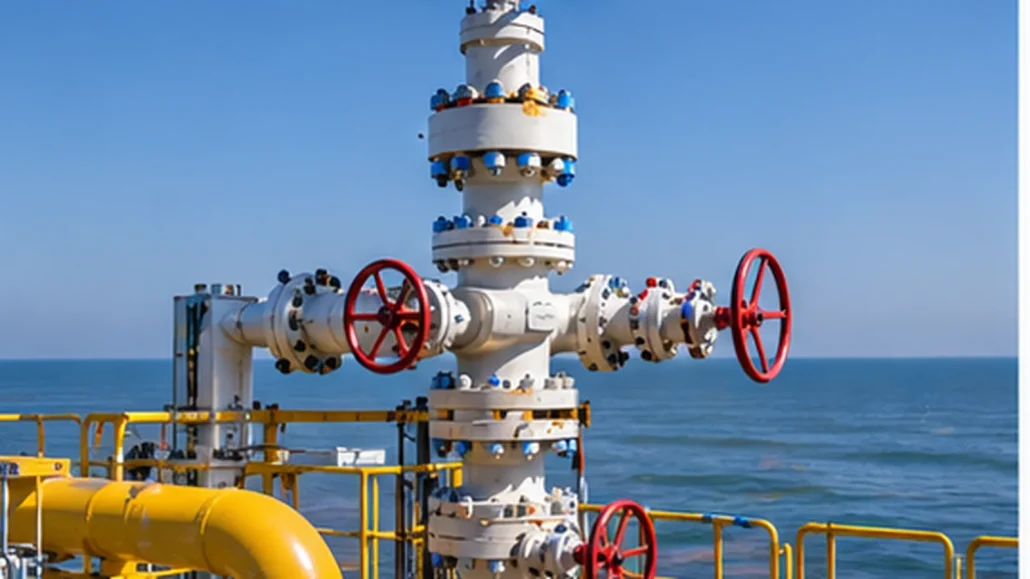
Offshore development depends on drilling, wellheads, flowlines, platform structures, process controls, safety systems and transport infrastructure working together. A ready well cannot reliably deliver gas without an operational downstream chain.
Why this upstream story still matters to gas metering
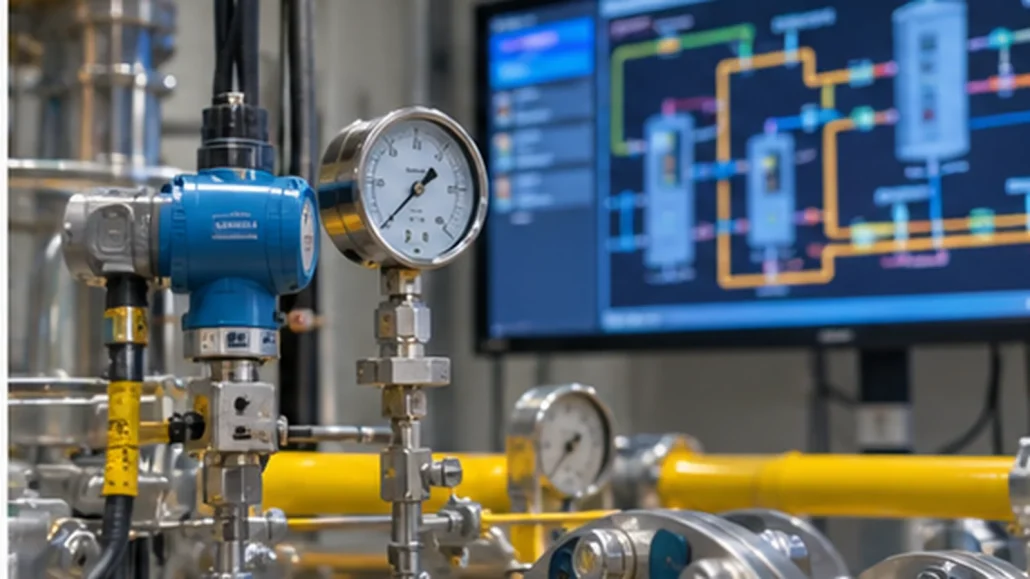
Phase 11 is an upstream natural-gas development. Residential gas meters, smart gas meters, upgraded meters and distribution gas regulators normally serve different applications in downstream networks and at consumer premises. They are not substitutes for specialist offshore production measurement systems.
Nevertheless, supply reliability and demand management are complementary. Accurate gas metering, automated meter reading (AMR), reliable consumption data and appropriate equipment selection can support better decisions in distribution networks. This is a general technical connection, not a claim that the Phase 11 project has placed an order for residential meters or regulators.
For Ekbatan Gas Control, the relevant industry perspective is to consider both ends of the value chain: resilient upstream supply and credible downstream measurement. The sources do not report any direct EGC involvement in Phase 11 drilling.
What has been confirmed—and what remains unconfirmed?
The confirmed new event is the start and reported progress of the thirteenth well as of 31 October 2026. The same announcement describes the twelfth well’s readiness, the stated capacity of location B and progress on platform fabrication. It does not provide a date for first gas from well 13 or verified sustained production from that well.
Future updates should distinguish drilling completion, well-test results, flowline connection, stable production and actual gas delivery. That approach prevents planned engineering capacity from being mistaken for achieved supply.
Frequently asked questions
Is the thirteenth well already producing gas?
No. The 31 October report describes drilling progress in the 16-inch hole section, not production from well 13.
Which well is associated with 2.5 million cubic metres per day?
The figure refers to the twelfth well, which was reported as ready for that approximate rich-gas output after hook-up and clean-up.
How much is one billion cubic feet per day in metric units?
It is approximately 28.3 million cubic metres per day by geometric conversion; technical comparisons require matching gas reference conditions.
Is stated capacity identical to gas delivered to consumers?
No. Nameplate or reported capacity, actual operating output and processed gas delivered to the grid are different metrics.
How far has construction of the other Phase 11 platform progressed?
The operator reported fabrication progress above 50%; commissioning and operational start-up were not confirmed.
Does this development involve EGC smart gas meters?
No direct procurement or deployment link was reported. Its broader relevance is the relationship between supply security and accurate downstream metering.
Sources
1. Tasnim News Agency, 31 October 2026, Petropars announcement on the thirteenth well and Phase 11 B: https://www.tasnimnews.ir/fa/news/1405/08/09/3736707/
2. Tasnim News Agency, 27 September 2026, earlier preparations and flow testing of the twelfth well: https://www.tasnimnews.ir/fa/news/1405/07/05/3707433/
3. Tasnim News Agency, 14 June 2026, previous production development at platform 11B: https://www.tasnimnews.ir/fa/news/1405/03/24/3616856/